How to Register with a GP in England


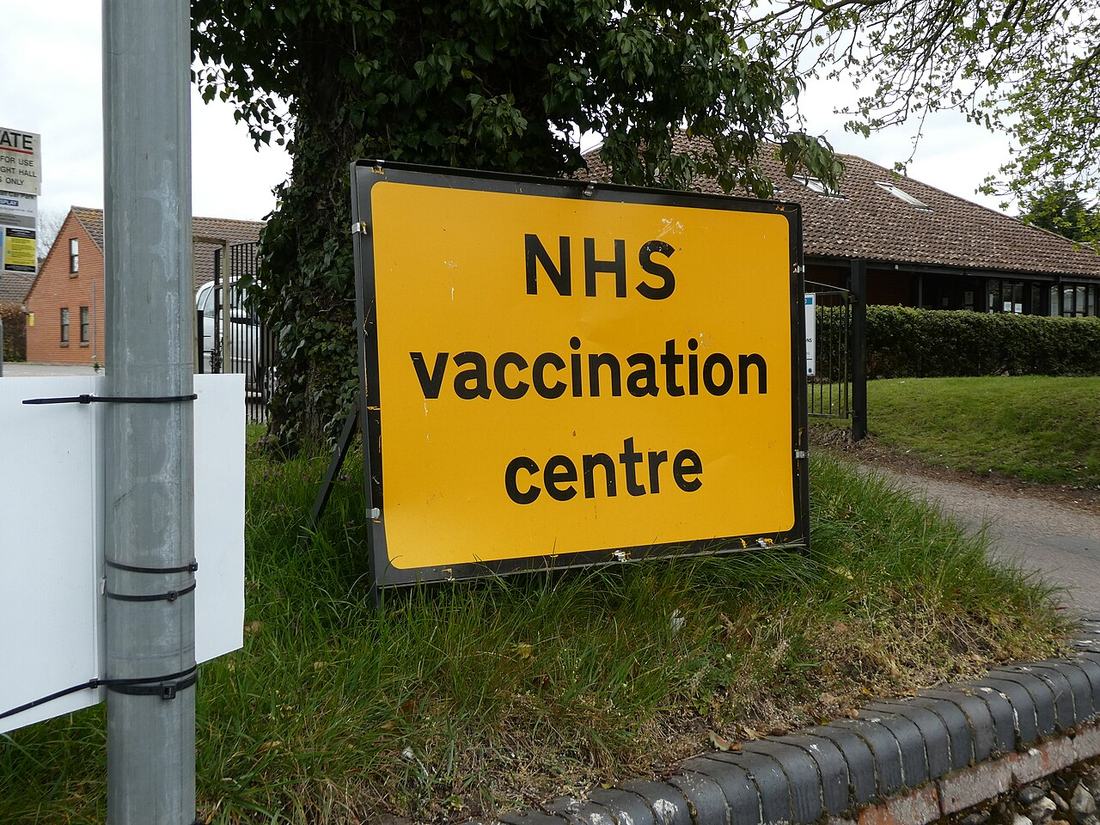
A GP surgery is the front door of the NHS for most people. GPs deal with everyday health problems, manage long-term conditions, refer patients to hospital specialists, and keep the medical record that other services rely on. Registering with a GP is free, and anyone living in England can do it. This guide explains the process step by step: finding a surgery, filling in the form, what happens next, and what to do if a surgery turns you away. It covers the administration only — it gives no health advice.
The one fact to remember
You do not need ID, proof of address, or proof of immigration status to register with a GP, and a practice cannot refuse your registration for lacking them. If a surgery asks for these documents, you can still register — and if it refuses, you can complain through NHS England.
Step 1: find a surgery near you
The NHS runs a “Find a GP” service on nhs.uk, which lists surgeries near a postcode and shows whether each one is accepting new patients. Most surgeries take patients who live in their catchment area — the neighbourhood around the practice — so start with the surgeries closest to your home.
It is worth checking more than one. Surgeries differ in opening hours, in how they handle appointments, and in whether they offer online registration. Some let you register online in a few minutes; others ask you to collect a paper form from reception or download and print it. There is no central waiting list for GPs, so if one surgery is full, try another nearby.
Step 2: register online or on paper
The standard registration form is the GMS1, the Family Doctor Services Registration form. Online registration takes about 15 minutes per person. You fill in your details on the NHS website or through the surgery’s own online system, and the surgery receives them directly. If you prefer paper, ask at reception for a GMS1 form, fill it in, and hand it back.
Confirmation usually arrives within 5 days of the surgery receiving your details. You do not have to wait for confirmation before you can use the surgery — once your registration is accepted, you can book appointments. If you move house, you will need to register with a new surgery near your new address, and the same process applies.
What the form asks for
The GMS1 asks for your name, date of birth, address, and an emergency contact. It also asks for your current or previous GP, if you have one, and your NHS number if you know it. You do not need to know your NHS number to register — the surgery can find it for you.
The form also asks for basic health history: any allergies and any medicines you currently take. This helps the new practice care for you safely from the start. If you are not a UK resident, you will be asked supplementary questions, including about the European Health Insurance Card (EHIC) or an S1 form, which relate to how your care is funded. These questions do not affect your right to register.
Your right to register — no ID needed
This is the most important point in this guide, and the one most often misunderstood. Anyone living in England can register with a GP surgery for free. You do not need ID, proof of address, or proof of immigration status, and a practice cannot refuse registration because you do not have them.
Some surgeries still ask for these documents out of habit, and some patients are wrongly turned away. If that happens to you, explain that NHS rules say registration cannot be refused for lacking ID or proof of address. If the surgery still refuses, you can contact NHS England, which can help you register, or you can make a complaint — the complaints guide on this site explains how. You can also ask a local Healthwatch service for help.
What happens after you register
Once you are registered, the practice becomes your registered GP. Your medical records are transferred digitally from your previous practice through a system called GP2GP, so your new GP can see your history. If you have never had a GP in England before, a new record is started for you, and you will be given an NHS number.
Registration also opens up the digital services described elsewhere on this site. You can use the NHS App to order repeat prescriptions, view your GP health record and test results, and book and manage appointments. You can also ask the practice about proxy access, which lets a carer or family member help manage your care online with your permission.
If you are visiting or have just arrived
If you are in England for a short stay, you can still register as a temporary patient, or you can ask any GP surgery for immediately necessary treatment. The rules for visitors depend on where you are from and how long you are staying, and some visitors may be charged for some secondary care — hospital treatment — even though GP care is free for everyone.
If you have just moved to England, register as soon as you have an address, rather than waiting until you feel unwell. Registration is quick, it is free, and it means your new GP already has your details when you need them. The rest of this site assumes you are registered, because most NHS services — referrals, prescriptions, and the NHS App — work best once you are.
Sources: nhs.uk, Register with a GP surgery; NHS England, GP registration guidance; Healthwatch England.