A&E, Urgent Treatment Centres or Your GP: Where to Go
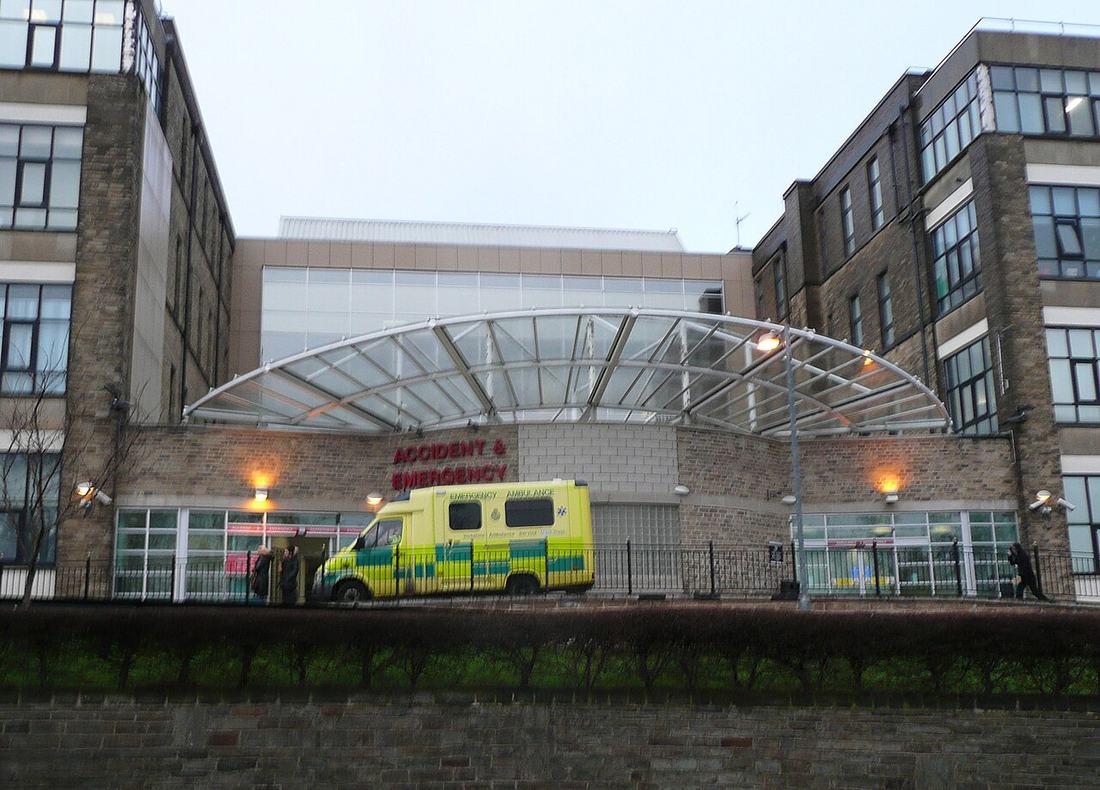
When you need care and it cannot wait for a routine appointment, there are three main doors: your GP, an urgent treatment centre, and A&E. They do different jobs, and going to the wrong one can mean a long wait — or a delay in getting the right care. This guide explains what each service is for, how to get there, and what the current waiting times look like, so you can choose the right door. It is a navigation guide, not a symptom checker: if you are unsure, call NHS 111, and if it is an emergency, call 999.
The three doors, in short
Your GP is for routine and ongoing care. An urgent treatment centre (UTC) is GP-led, open at least 12 hours a day, and for urgent problems that are not life-threatening. A&E — a Type 1 emergency department — is consultant-led, open 24 hours, and for serious and life-threatening emergencies. If you are unsure which one you need, call NHS 111.
Your GP: routine and ongoing care
Your GP surgery is for routine and ongoing care: new problems that are not urgent, long-term conditions, repeat prescriptions, referrals, and the general management of your health. Most GP care is by appointment, and many practices now offer phone or video appointments as well as face-to-face ones.
GPs also act as gatekeepers to the rest of the NHS. If you need to see a hospital specialist, your GP usually makes the referral — the referrals guide on this site explains that process and the 18-week standard. If your problem is urgent but your surgery is open, phone the surgery first: many practices keep same-day appointments for urgent problems.
Urgent treatment centres: urgent, not life-threatening
Urgent treatment centres — UTCs, formerly called Type 3 departments — are GP-led services for urgent problems that are not life-threatening. They are open at least 12 hours a day, every day, and you can walk in, or book an appointment through NHS 111 or a GP referral.
UTCs deal with problems such as sprains and strains, minor cuts and burns, minor head injuries, and infections that need urgent treatment. They can do X-rays, blood tests, and minor procedures, and they can refer you to A&E if the problem turns out to be more serious than it first looked. Because they see less serious problems, their waits are usually much shorter than A&E — in September 2026, 96.5% of patients in Type 3 departments were seen within 4 hours, against 60.6% in Type 1 A&E departments.
A&E: serious and life-threatening emergencies
A&E — the accident and emergency department, or Type 1 department — is a consultant-led, 24-hour service with full resuscitation facilities. It is for serious and life-threatening emergencies: chest pain, stroke symptoms, serious injuries, difficulty breathing, heavy bleeding, and other problems where a delay could be dangerous.
A&E departments see patients in order of clinical need, not order of arrival, so someone who arrives later but is more seriously ill will be seen first. If your problem is not an emergency, you are likely to wait a long time — and to be redirected to a UTC or your GP. In September 2026 there were 2,444,743 total A&E attendances in England, and 536,158 emergency admissions.
The 4-hour standard — and the real picture
The NHS operational standard is that 95% of patients should be admitted, transferred, or discharged within 4 hours of arriving at A&E. In practice, the standard has not been met for years. In September 2026, 74.4% of patients were seen within 4 hours overall — 60.6% in Type 1 departments and 96.5% in Type 3 departments — and none of the 120 reporting trusts with Type 1 departments achieved the 95% standard.
The picture in April 2026 was similar: 2,345,329 attendances, with 76.9% seen within 4 hours overall, 63.8% in Type 1 departments, and 97.5% in Type 3 departments. The gap between Type 1 and Type 3 is the point of this guide: if your problem is urgent but not life-threatening, a UTC will usually see you far faster than A&E. But if it is serious, do not let the wait put you off A&E — the wait is long because the department is dealing with emergencies, and yours may be one of them.
How to get there
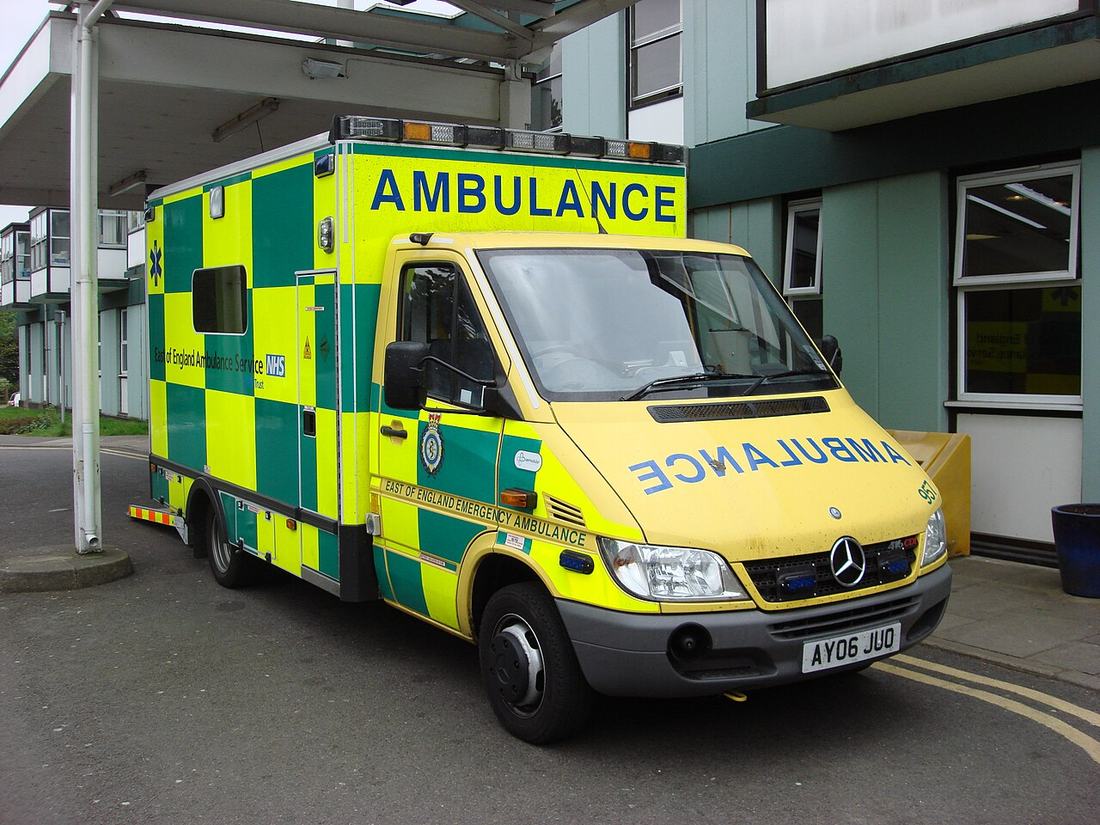
For your GP, phone the surgery or book through the NHS App. For a UTC, you can walk in, or get an appointment booked through NHS 111 or your GP. For A&E, you can walk in, or be brought by ambulance — and in some areas 111 can book you a timed arrival slot.
Do not drive yourself to A&E if you are seriously unwell — call 999 for an ambulance, or ask someone else to drive you. And if you are unsure which service you need, call 111 before you set off. The assessment will tell you where to go, and it can book you in.
Sources: NHS England, A&E Attendances and Emergency Admissions statistical commentary, September 2026 and April 2026; NHS England, daily situation report process and definitions.